A stroke changes a family's life in an instant, and the weeks that follow the acute hospital admission are often just as decisive for long-term recovery as the emergency treatment itself. Once a stroke patient is medically stable and discharged, the real work of rehabilitation begins — and increasingly, Kenyan families are discovering that this work is best done not through occasional outpatient visits, but through consistent, structured therapy delivered at home.
The brain's capacity to recover function after a stroke, a property known as neuroplasticity, depends heavily on repetition and consistency during the critical early months. A patient who receives physiotherapy once a week at a hospital, with long gaps in between and significant travel time and cost for each visit, simply cannot access the volume of practice that drives meaningful recovery. Home-based rehabilitation solves this by bringing a physiotherapist, occupational therapist or trained rehabilitation nurse directly to the patient several times a week, allowing exercises to be practised more frequently and reinforced daily by family caregivers between professional sessions.
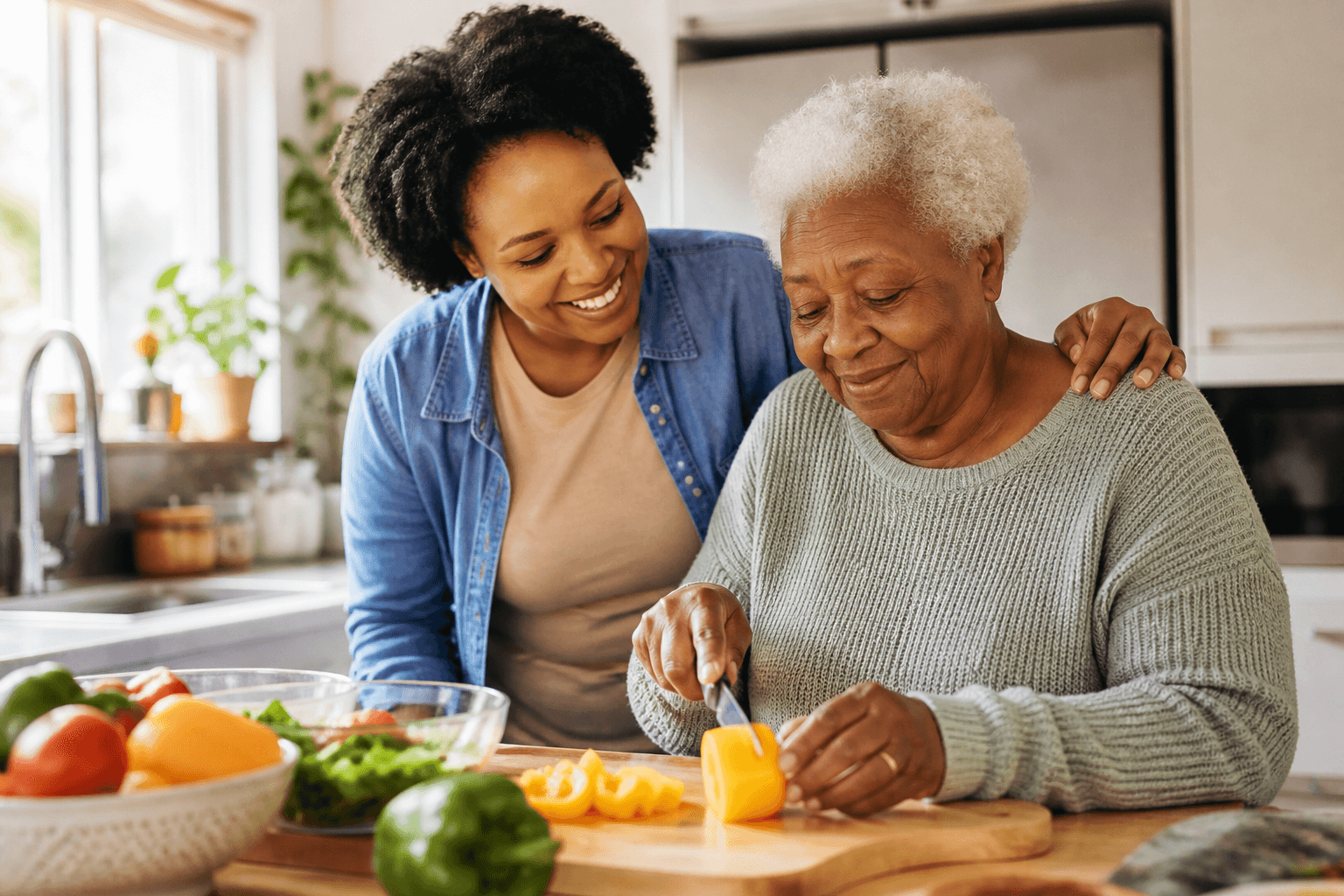
Physical recovery after stroke typically focuses on regaining strength and coordination in the affected limbs, relearning to walk safely, and rebuilding balance. A home environment offers a distinct advantage here: therapy can be practised in the actual spaces the patient needs to navigate — their own bathroom, their own staircase, their own kitchen — rather than a generic clinical gym. This makes the gains more directly transferable to real independence, whether that means safely getting to the toilet unassisted or preparing a simple meal.
Speech and swallowing difficulties, common after stroke, also benefit enormously from a home-based approach. A speech therapist working within the family's daily routine can coach relatives on safe feeding techniques, appropriate food textures, and communication strategies that reduce frustration for both patient and family. Because meals happen multiple times a day, every day, embedding therapy techniques into these existing routines produces far more practice repetitions than any clinic visit could offer.
Cognitive and emotional recovery deserve equal attention, though they are sometimes overlooked in the focus on physical rehabilitation. Many stroke survivors experience changes in memory, concentration, mood or emotional regulation. Depression after stroke is common and can significantly slow physical recovery if untreated, partly because it reduces a patient's motivation to engage in the effortful, sometimes frustrating work of rehabilitation exercises. A home care team that includes attentive nursing and family education can identify these emotional changes early and connect the family with appropriate psychological support.
Fall prevention becomes especially critical during stroke recovery, since weakness on one side of the body, impaired balance and sometimes reduced awareness of the affected side dramatically increase fall risk. A home rehabilitation team will typically assess the home environment specifically for these risks, recommending modifications such as grab rails, appropriate seating height, and clear walkways, while also training the patient in safe transfer techniques between bed, chair and standing.
Family involvement is, again, central to successful outcomes. Rehabilitation professionals working in the home naturally teach family members how to safely assist with exercises, how to encourage independence rather than doing everything for the patient, and how to recognise warning signs of a possible second stroke, such as sudden weakness, facial drooping or slurred speech. This knowledge transfer is one of the most valuable, and least visible, benefits of home-based stroke rehabilitation, because it equips the family to support recovery long after formal therapy sessions have concluded.
Recovery timelines after stroke vary enormously depending on the severity and location of the brain injury, but the general principle holds across nearly all cases: earlier, more consistent, more personalised rehabilitation produces better functional outcomes. For Kenyan families navigating this journey, a coordinated home-based rehabilitation programme — combining physiotherapy, nursing oversight, family education and emotional support — offers the structure and consistency that stroke recovery demands, delivered in the environment where the patient will ultimately need to live their life.